
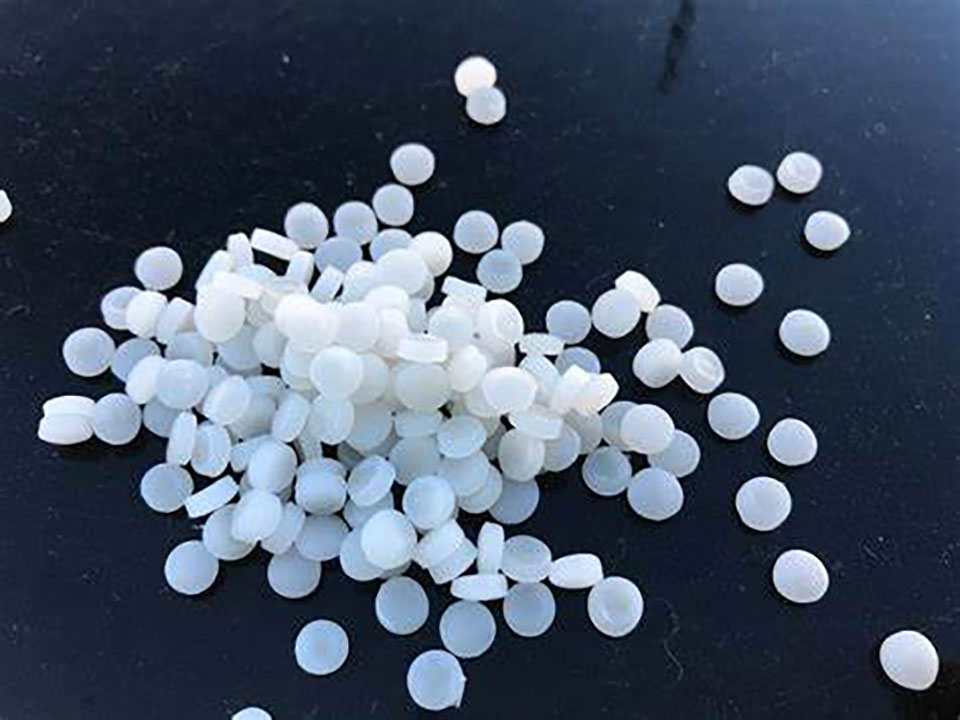
Ethylene Vinyl Acetate (EVA)
- :
EVA (Ethylene Vinyl Acetate) Trading Information
Introduction to EVA Trading
Welcome to our EVA Trading page. Ethylene Vinyl Acetate (EVA) is a copolymer of ethylene and vinyl acetate widely used in various industries for its flexibility, durability, and resilience. Trading EVA involves sourcing, quality assurance, logistics, compliance with international standards, and understanding market dynamics.
Key Aspects of EVA Trading
- Applications of EVA:
- Footwear: EVA is extensively used in shoe soles and midsoles due to its lightweight and shock absorption properties.
- Packaging: EVA is used in food packaging films and industrial packaging due to its clarity and flexibility.
- Construction: EVA is used in seals, gaskets, and as a modifier in asphalt.
- Medical: EVA is used in medical devices, surgical products, and drug delivery systems.
- Quality Standards:
- EVA products adhere to international standards such as ASTM D1693 and ISO 9001 to ensure quality and performance.
- Quality control includes testing for mechanical properties, flexibility, and chemical resistance.
- Logistics and Transportation:
- EVA is transported in pellet form or as sheets, requiring protection from moisture and temperature fluctuations.
- Storage facilities must maintain controlled conditions to preserve product integrity.
- Compliance with safety regulations during transportation is essential.
- Market Dynamics:
- EVA prices are influenced by ethylene and vinyl acetate monomer costs, supply-demand dynamics, and economic factors.
- Market trends include advancements in EVA copolymer technology and applications in renewable energy sectors.
- Trading Platforms and Exchanges:
- EVA is traded through commodity exchanges and direct negotiations between manufacturers, distributors, and end-users.
- Establishing strong relationships with reliable suppliers and buyers is crucial for efficient trade operations.
EVA Trading Process
- Sourcing and Procurement:
- Identification and evaluation of reputable EVA resin suppliers with consistent quality and supply capabilities.
- Negotiation of contracts to ensure price stability and adherence to delivery schedules.
- Compliance with regulatory standards and product specifications verified.
- Quality Assurance:
- Rigorous testing and quality control measures throughout production and supply chain.
- Certification and documentation of product specifications and compliance with industry standards.
- Traceability of raw materials and batch consistency maintained.
- Logistics Management:
- Efficient transportation logistics to optimize delivery times and minimize costs.
- Coordination with logistics partners to ensure safe handling and storage conditions.
- Adherence to international trade regulations and customs procedures managed meticulously.
- Sales and Distribution:
- EVA products distributed to footwear manufacturers, packaging industries, construction sectors, and medical device manufacturers.
- Technical support and customization services offered to meet specific customer requirements.
- Transparent pricing and flexible contract terms tailored to market conditions.
- Regulatory Compliance:
- Compliance with environmental regulations (e.g., REACH, RoHS) and safety standards (e.g., ASTM, ISO).
- Acquisition of necessary certifications and permits for EVA production, import, and export as per regional requirements.
Key Considerations for EVA Traders
- Risk Management:
- Implementation of hedging strategies to mitigate price volatility and manage market risks.
- Diversification of supply sources and customer base to enhance resilience.
- Market Intelligence:
- Continuous monitoring of market trends, competitor activities, and technological advancements.
- Strategic planning based on comprehensive market analysis and forecasting.
- Sustainability:
- Commitment to sustainable sourcing practices and promotion of EVA recycling initiatives.
- Participation in industry initiatives focused on reducing environmental impact and improving resource efficiency.
- Customer Engagement:
- Building strong partnerships through reliability, transparency, and responsive customer service.
- Collaboration on product innovation and development of value-added solutions to meet evolving market demands.
Conclusion
EVA trading plays a crucial role in diverse industries, driven by innovation, quality assurance, and market responsiveness. By prioritizing quality, logistics efficiency, regulatory compliance, and sustainability, we ensure reliable supply and value creation in the competitive EVA market.